Specialists protecting specialists.
Dental malpractice insurance, disability insurance, and life insurance for dental professionals, built around a dental career from your first day of school to the day you sell the practice.
We work with dental professionals only.
Dental malpractice insurance
Malpractice cover that stays with your dental license, not with whoever signs your paychecks.
Disability insurance for dentists
Your hands are the practice. True own-occupation disability policies treat them that way.
Life insurance for dentists
Term and permanent life cover sized to your student loans, your practice note, and your family.
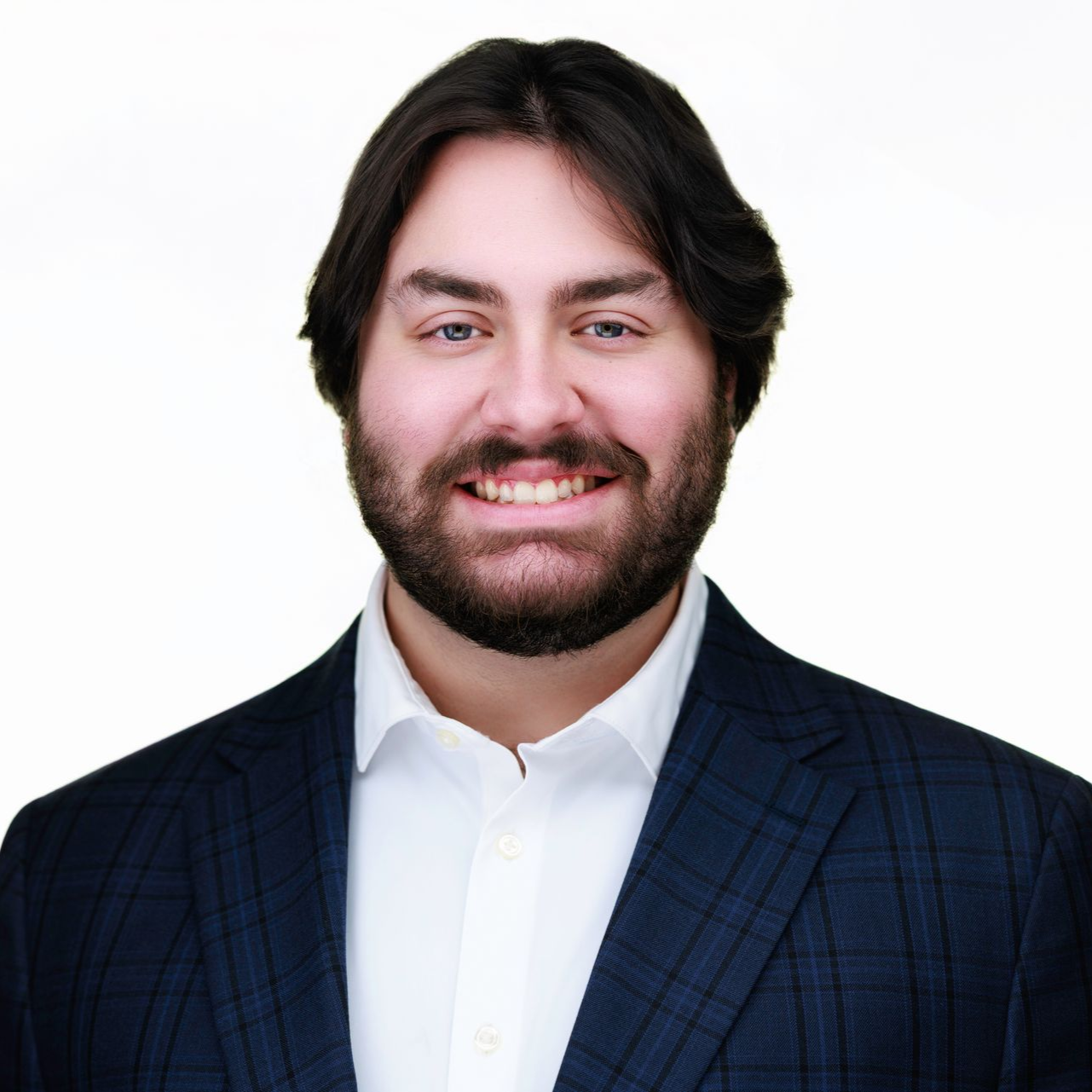
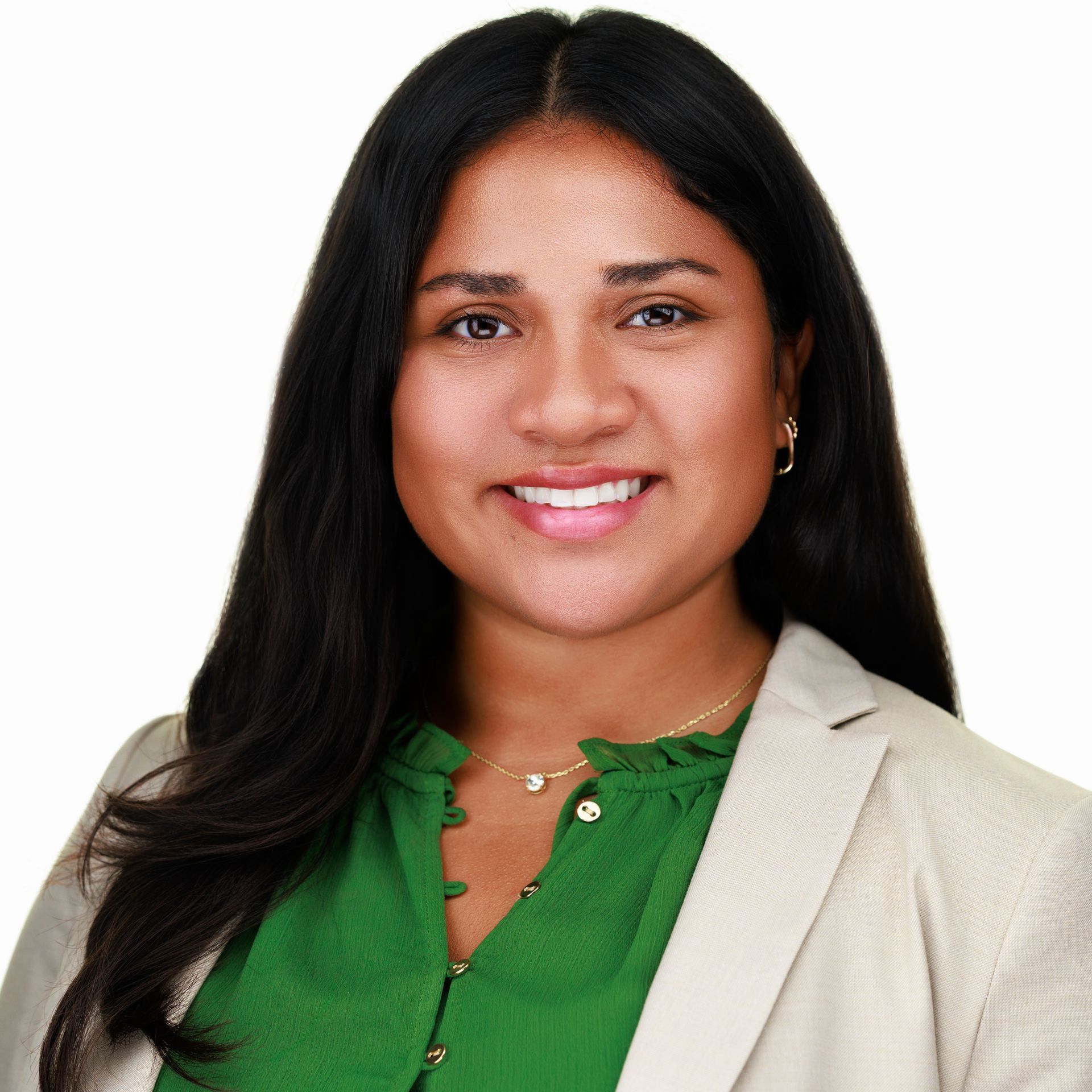
The people you will actually talk to
Advisors, underwriting, and service, all in one dental division.














Who we cover
Every stage of a dental career carries a different risk. We work with all of them, from the first year of school through a multi location group.
Dental students
Coverage and loan planning while you are still in school.
GPR & AEGD residents
Protection in place from your first day of residency.
Dental specialty residents
Cover that narrows as your training narrows.
Dental specialists
Policies matched to the procedures you actually perform.
Practicing professionals
Reviews as your income and your exposure change.
New & established practice owners
Cover for the practice, the staff, and the note.
Aspiring practice owners
Insurance and financing lined up before you sign.
DSOs & multi location owners
One coordinated program across every location.
Not sure which one you are? Most dentists sit between two of them.
Talk to an advisor
Dental Dummies Podcast
Weekly conversations that break down the business side of dentistry: student loans, practice ownership, insurance, and the decisions nobody covers in dental school.
Hosted by Joe DiMarco , a dental specific financial planner, and Dr. Minh Nguyen , a practice owning orthodontist and consultant.
Watch on YouTubeInsurance built only for dental professionals
CFS Dental Division is an insurance and financial services team that works with dentists and dental specialists exclusively. That focus matters, because the risks in a dental practice do not look like the risks in general medicine or in a typical small business. We place dental malpractice insurance, disability insurance for dental professionals, and life insurance for dentists, and we help with the pieces that sit around them: student loan planning, practice financing, and contract review.
Whether you are a dental student comparing your first policy, a resident finishing a GPR or AEGD program, a specialist in orthodontics, endodontics, periodontics, oral surgery, prosthodontics, or pediatric dentistry, or an owner running a multi location group, the coverage should match the stage you are at. That is the conversation we have.
Dental malpractice insurance
Professional liability cover for dentists and dental specialists, including claims made and occurrence policies, tail coverage when you change employers, and limits that suit the procedures you actually perform. We review what your practice or DSO already provides before recommending anything.
Disability insurance for dentists
Own occupation disability insurance is the coverage most dentists ask about first, and for good reason: an injury to a hand, wrist, or back can end clinical work while leaving you able to do something else. We look at benefit period, elimination period, residual benefits, and future increase options.
Life insurance for dental professionals
Term life and permanent life insurance sized to real obligations: dental school loans, a practice acquisition note, a buy sell agreement with a partner, and the people at home. Coverage a dentist buys at 28 rarely still fits at 45, so we revisit it.
Business owners policy and workers compensation
Practice owners need cover for the building, the equipment, the staff, and the income the practice produces. We place business owners policies and workers compensation for dental offices alongside your professional liability.
Cyber insurance and business overhead
Dental practices hold protected health information, which makes them a target. Cyber liability insurance covers breach response and notification. Business overhead expense insurance keeps rent, payroll, and lab bills paid if an owner cannot work.
Cyber insurance for dentists and business overhead insurance
Student loan planning and health insurance
Dental school debt shapes every other financial decision for a decade. We help compare repayment paths and forgiveness programs, and we place health insurance for dentists who are between employers or newly self employed.
Common questions from dentists
How much dental malpractice insurance do I need?
Limits depend on your specialty, your state, your procedure mix, and what your employer or hospital requires. Many dentists carry limits in a common range, but the right answer comes from looking at your own exposure rather than copying a colleague. If you move between employers, ask specifically about tail coverage, because a gap there is the most common way a dentist ends up personally exposed for past work.
What is own occupation disability insurance, and why do dentists want it?
A true own occupation definition pays benefits if you cannot perform the duties of your specific occupation, even if you go on to earn income doing something else. For a dentist whose income depends on fine motor work, that definition is the difference between a policy that pays and one that does not. Definitions vary between carriers and the wording is worth reading closely.
Should I buy insurance as a dental student or wait until I am earning?
Many dentists buy disability and life coverage before they finish training, because pricing is generally tied to age and health, and both tend to be at their best while you are young. Some policies also offer future increase options that let you raise coverage later without new medical underwriting. Whether it makes sense for you depends on your budget and your debt.
My employer already provides coverage. Do I need my own policy?
Employer provided cover ends when the job does, and it is usually written to protect the practice rather than you personally. Group disability benefits are often capped and taxable. Reviewing what you already have is the first step, and it is the part we do before recommending anything new.
Do you work with dentists outside New Jersey?
Yes. Our offices are in Ocean City and Seaville, New Jersey, and our regional advisors work with dental professionals across the country. Each advisor covers specific states, so you are matched with someone licensed where you practice.
CFS Dental Division works with dental students, GPR and AEGD residents, dental specialty residents, associates, practice owners, and DSO groups nationwide, including Pennsylvania, New Jersey, New York, Delaware, Maryland, Virginia, North Carolina, South Carolina, Georgia, Florida, Alabama, Mississippi, Louisiana, Kentucky, Tennessee, Ohio, Illinois, Wisconsin, Minnesota, Iowa, Missouri, Kansas, Nebraska, Colorado, Texas, Oklahoma, Utah, Arizona, Nevada, California, Oregon, Washington, New England, Washington D.C., and Puerto Rico.
Follow along on Instagram
@cfsdentaldivision